Is the Gold and Silver Dream Run Over?

 PRIYANKA
The past few months have been historic for precious metals. Gold and silver have delivered returns that are rarely seen in financial markets, creating massive excitement, strong retail participation, and classic late-cycle “fear of missing out” behavior. But after sharp corrections following record highs, Investors are now asking a crucial question: Was that the top or just a pause in a bigger structural trend?
The past few months have been historic for precious metals. Gold and silver have delivered returns that are rarely seen in financial markets, creating massive excitement, strong retail participation, and classic late-cycle “fear of missing out” behavior. But after sharp corrections following record highs,
Investors are now asking a crucial question: Was that the top or just a pause in a bigger structural trend?
The Rally: Not Just Momentum, But Macro Repricing
The recent surge in gold and silver was not driven by a single factor. It was a rare alignment of macro, geopolitical, and financial triggers happening simultaneously.
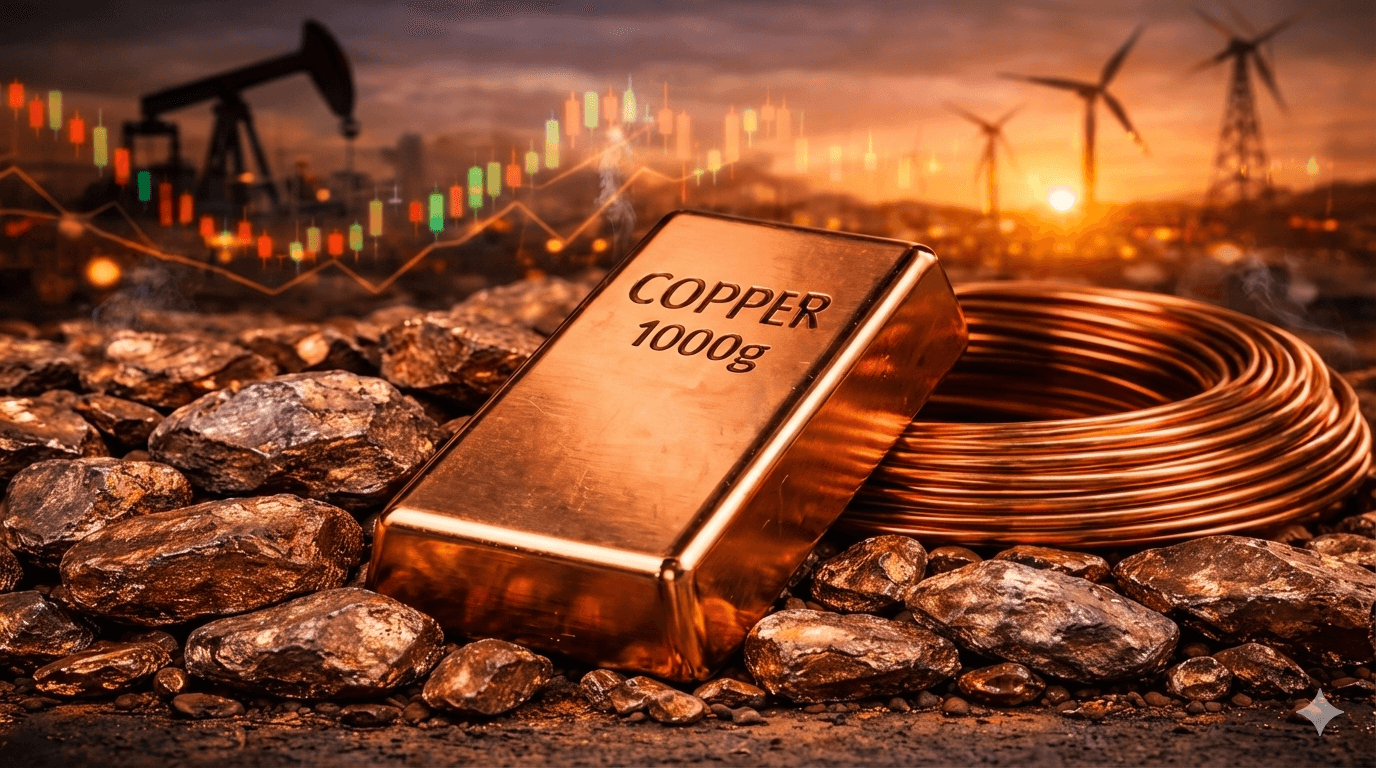
Global data shows gold crossed record levels above $5,300 to $5,600 per ounce, while silver surged past $120 per ounce during early 2026. The move was driven by a weak dollar, geopolitical tensions, and heavy safe-haven demand.
In fact, silver delivered one of the strongest commodity rallies in decades, rising more than 150 percent in 2025 and adding another ~65 percent in January 2026 alone.
News flows also confirm that safe haven buying surged amid global policy uncertainty, trade tensions, and geopolitical risks, especially involving US policy direction and Middle East tensions.
Why Did Prices Suddenly Fall After Record Highs?
Today, gold corrected by 5.36%, and silver corrected by 13.78%.
The recent sharp fall does not automatically mean the bull market is over. It reflects classic late-stage market behavior.
Recent corrections were triggered by:
- Policy Uncertainty Around the Fed
Speculation about a more hawkish leadership at the US Federal Reserve triggered profit booking and dollar strength expectations.
Precious metals typically fall when real yields or dollar strength expectations rise.
ETFs tracking gold and silver even fell up to 14 percent in a single session after record highs.
- Positioning Was Extremely Crowded
When everyone is on the same side of the trade, small triggers cause large corrections.
Sharp sell-offs after record highs are historically common in commodity cycles.
- Speculative Phase Indicators Were Visible
When silver starts massively outperforming gold, it often signals late-cycle behavior historically.
Structural Bull Case Still Exists
Despite corrections, structural demand remains strong.
Silver demand is being driven by solar, EVs, semiconductors, and electrification. Supply deficits are expected to continue supporting prices structurally.
Forecasts still suggest strong price potential by the end of 2026, with gold expected in the ₹1.75L to ₹1.95L per 10g range and silver ₹3.8L to ₹4.6L per kg range, depending on macro conditions.
Bull Market vs Dream Run
The real difference is between a dream run and a structural bull market. A dream run is driven by parabolic moves, heavy retail participation, speculation, and high volatility, while a structural bull phase is supported by macro demand, policy uncertainty, and industrial demand, especially for silver. Currently, metals appear to be shifting from a dream run to a more volatile but structurally supported bull phase.
Gold should be treated as a core hedge against inflation, currency risk, and geopolitical shocks and is better accumulated on corrections rather than chased at highs. Silver is a high beta tactical asset with higher upside but also higher risk of sharp drawdowns, making position sizing crucial. The dream run may not be fully over, but the easy money phase is likely done, and the next phase may see sharp rallies, corrections, and consolidation rather than a one-way move.
_1783769780040.png&w=3840&q=75)
_1783766890311.png&w=3840&q=75)
_1782728608439.png&w=3840&q=75)







_1768996873080.png&w=3840&q=75)



_1755606872650.png&w=3840&q=75)